
 Listicle
Signs Your Fridge Needs Professional Repair
Table of Contents
- Signs Your Fridge Needs Professional Repair
- How to Check Fridge Temperature Settings
- Common Fridge Problems and Solutions You Can Try First
- How Long Does a Fridge Last and When to Consider Replacement
- Fridge Repair or Replace: Making the Right Decision
- What to Expect From Professional Diagnosis and Repair
- Safety and Food-Safety Thresholds You Should Know
- Frequently Asked Questions
Last Updated: October 21, 2026
Signs Your Fridge Needs Professional Repair
Your refrigerator is one of the hardest-working appliances in your home. When it starts to fail, the consequences go beyond inconvenience, spoiled food, wasted money, and potential food safety risks follow quickly. Knowing when your fridge needs professional repair instead of a simple adjustment can save you hundreds of dollars and prevent food-borne illness.
At ISB Electrical, we've diagnosed thousands of refrigerator problems across the Gold Coast. Some issues are minor and fixable at home. Others demand immediate professional attention. This guide walks you through the key signs your fridge needs professional repair, what you can troubleshoot yourself, and how to make the right decision between fixing and replacing.
Poor or Inconsistent Cooling
The most obvious sign your fridge needs professional repair is when it stops keeping food cold. But inconsistent cooling is trickier to spot because it happens gradually.
Your fridge should maintain a temperature between 1°C and 4°C. The freezer should stay at minus 18°C or colder. If your fridge feels cool but not cold enough to prevent spoilage, or if different shelves have different temperatures, the cooling system is failing.
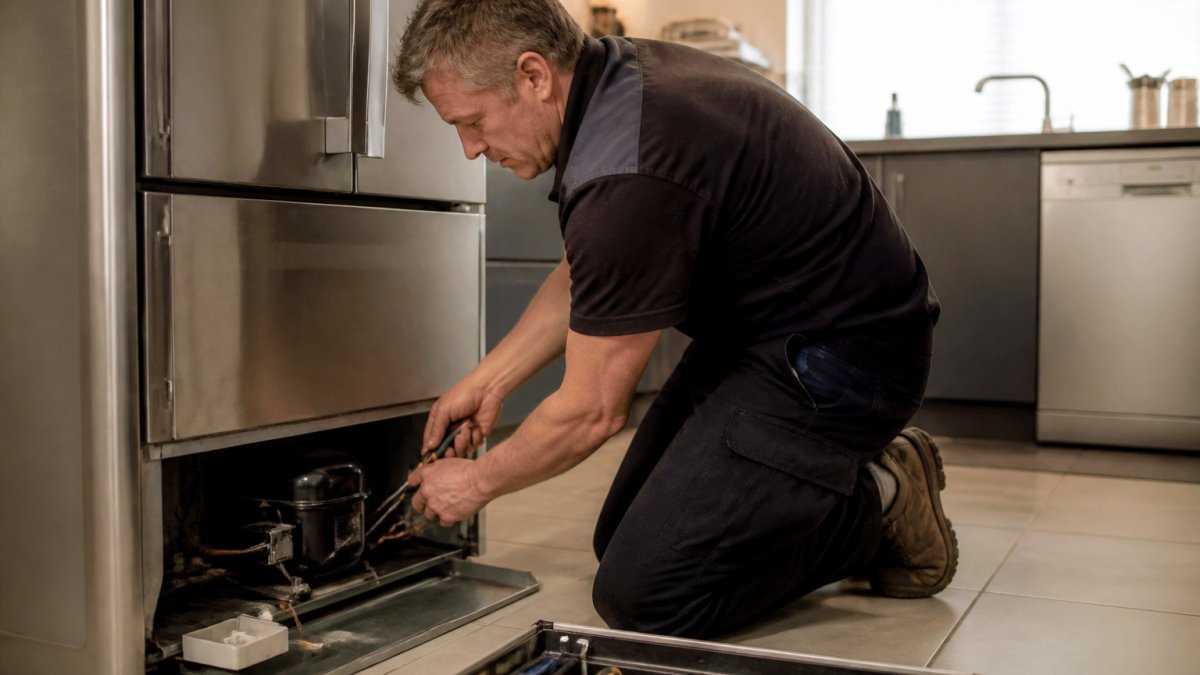
Common causes include a faulty compressor, low refrigerant, or blocked condenser coils. These are not DIY fixes. A licensed technician needs diagnostic equipment to pinpoint the exact problem. Attempting to regas a system yourself voids warranties and creates safety hazards.
Food Spoiling Faster Than Usual
When groceries go bad within days instead of weeks, your cooling system has lost efficiency. Milk sours early. Vegetables wilt rapidly. Meat develops an off smell before the use-by date.
This is your fridge's clearest warning signal. Food spoilage indicates internal temperatures are creeping upward, creating an environment where bacteria multiply faster. This is not just wasteful, it's a food safety issue.
Check the thermostat setting first (we'll cover this below). If the dial is set correctly and food still spoils quickly, the compressor or refrigerant system needs professional repair.
Temperature Fluctuations and Thermostat Issues
A fridge that cycles between too cold and too warm is struggling. You might notice frost building up one day and melting the next, or find that some items freeze while others thaw.
Temperature swings often point to a faulty thermostat or a compressor that's working intermittently. The thermostat tells the compressor when to run and when to stop. When it fails, the system can't maintain steady cooling.
Professional diagnosis requires checking the thermostat response and compressor cycling. These components cannot be tested reliably without proper equipment.
Excessive Frost Buildup in the Freezer
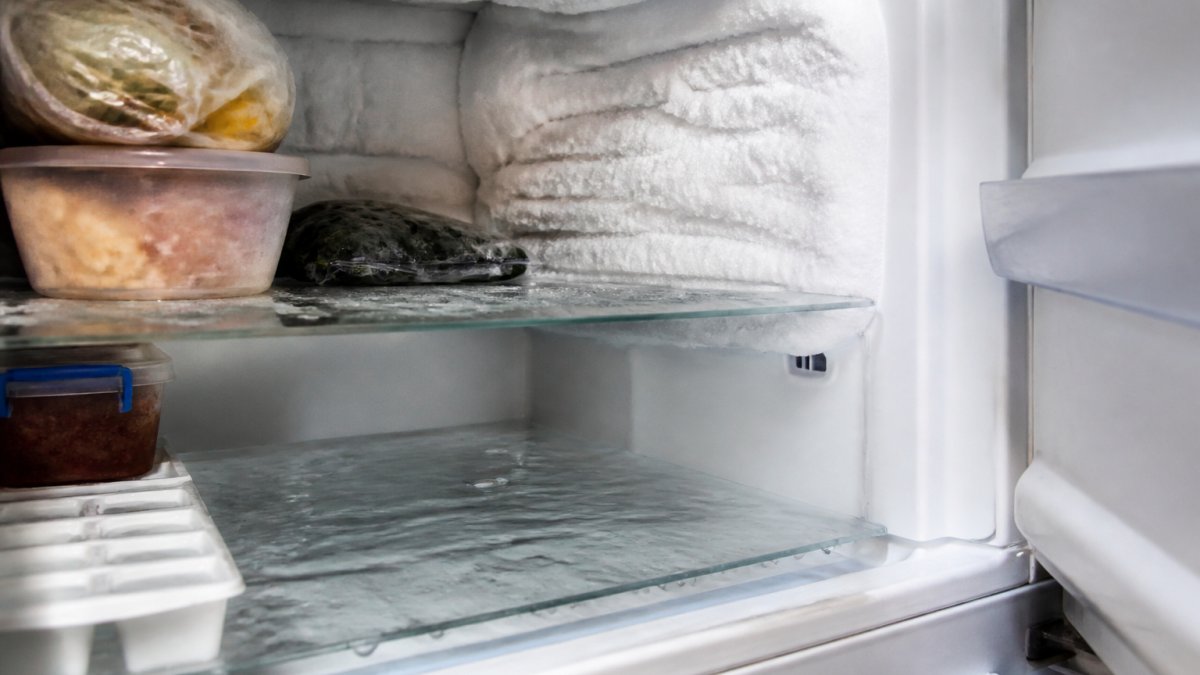
A light coating of frost is normal. Thick ice accumulation on freezer walls is not.
Excessive frost buildup usually means the defrost drain is blocked. This drain removes condensation that naturally forms during the cooling cycle. When it clogs, water freezes instead of draining away. Over time, ice builds up and reduces cooling efficiency.
Some fridges have a manual defrost cycle you can trigger. For most modern models, a blocked defrost drain requires professional clearing. Attempting to clear it yourself risks damaging the drain line or the evaporator coils behind the walls.
Water Leaks and Pooling Inside
Puddles inside your fridge or underneath it signal a drainage problem. Water should exit through the defrost drain at the back or bottom of the unit.
Common causes include a blocked drain, a frozen drain line, or a cracked drain pan. A blocked drain is often fixable at home (we'll cover this below). A frozen line or cracked pan requires professional repair.
Water pooling inside the fridge also risks electrical hazards. If water reaches the compressor or electrical components, it creates a shock risk. Call a technician if water is pooling near electrical parts.
Unusual Noises and Vibration
A fridge makes normal sounds: the hum of the compressor, the click of the thermostat, the whoosh of the defrost cycle. Unusual noises are different.
Grinding, squealing, or rattling sounds often point to a failing compressor, a loose component, or a worn fan motor. Excessive vibration that shakes nearby items suggests a compressor issue or a misaligned component.
These noises indicate mechanical failure. A technician can identify which part is failing and whether repair or replacement makes sense economically.
Hot Exterior Surfaces and Running Constantly
If your fridge feels hot to the touch on the outside, the cooling system is working overtime. A fridge that runs continuously without cycling off is another red flag.
The condenser coils on the back or bottom of your fridge release heat. They should feel warm, not hot. If they're too hot to touch, the system is under extreme strain.
A fridge running constantly burns more electricity and wears out faster. This usually means the compressor is failing or the refrigerant is low. Both require professional repair.
How to Check Fridge Temperature Settings
Before calling a technician, verify that your thermostat is set correctly. Many "broken" fridges are simply set to the wrong temperature.
Check the dial or digital display. Most fridges have a thermostat dial (numbered 1-5, with 5 being coldest) or a digital temperature display.
Wait 24 hours. Temperature changes take time. After adjusting, wait a full day before deciding if the fridge is cooling properly.
Use a thermometer. Place a kitchen thermometer on the middle shelf and leave it for 30 minutes. It should read between 1°C and 4°C.
Check for blockages. Vents inside the fridge can become blocked by food packaging or ice. Clear any obstructions around the vents to allow air circulation.
Ensure proper spacing. Overstocking a fridge blocks air flow. Leave space between items so cold air can circulate freely.
If the temperature is correct and your fridge is still not cooling properly, the problem is mechanical and requires professional diagnosis.
Common Fridge Problems and Solutions You Can Try First
Not every fridge problem demands a service call. Some issues are quick fixes that save you money.
Blocked defrost drain: Locate the small drain hole at the back or bottom of your fridge. It may be visible as a small opening.
Dirty condenser coils: Unplug the fridge and locate the condenser coils (usually on the back or underneath). Use a vacuum with a brush attachment to remove dust and debris.
Door seal problems: Feel the rubber gasket around the door. If it's cracked, loose, or doesn't seal tightly, cold air escapes. A loose gasket can sometimes be reseated.
Water filter replacement: If your fridge has an ice maker or water dispenser, a clogged water filter reduces flow and cooling efficiency.
Thermostat adjustment: As covered above, incorrect temperature settings account for many complaints. Adjust and wait 24 hours before concluding the fridge is broken.
If these steps don't resolve the issue, the problem involves the compressor, refrigerant system, or electrical components. These require professional repair.
How Long Does a Fridge Last and When to Consider Replacement
Most refrigerators last 10 to 15 years with proper maintenance. After 10 years, repair costs often climb as components wear out.
A fridge that's 8-10 years old and needs significant repair may not be worth fixing. A compressor replacement or refrigerant recharge can cost as much as a new budget fridge. A unit that's 12+ years old and failing is almost always a replacement candidate.
Newer fridges are also more energy-efficient, which lowers your electricity bills over time. An older fridge consuming more power to run less efficiently will cost more to operate than a new model.
Keep your purchase receipt and warranty information. Most fridges carry a one-year warranty on parts and labour. Some manufacturers offer extended warranties that cover compressor failure for up to 10 years.
Fridge Repair or Replace: Making the Right Decision
The repair-versus-replace decision comes down to age, cost, and efficiency.
Repair if: The fridge is under 8 years old, the repair cost is less than 50% of a replacement unit's price, and the appliance has been reliable otherwise.
Replace if: The fridge is over 10 years old, the repair cost exceeds 60% of a new unit's price, the compressor is failing, or it's the second major repair in 12 months.
Get a professional diagnosis before deciding. A technician can tell you exactly what's wrong and what the repair will cost. With that information, you can make an informed choice.
ISB Electrical provides upfront quotes on all repairs. We'll tell you what's broken, what it costs to fix, and whether replacement makes financial sense. Our 30+ years of experience means we can guide you toward the right decision for your situation.
What to Expect From Professional Diagnosis and Repair
A professional repair visit typically follows this process.
Diagnosis (15-30 minutes): The technician inspects the fridge, checks temperature settings, tests the thermostat, listens for unusual sounds, and runs diagnostic tests on the compressor and electrical systems. They'll identify the exact problem and explain it to you.
Quote: You'll receive a detailed quote for parts and labour. At ISB Electrical, we use genuine spare parts and back all work with a warranty. We won't proceed without your approval.
Repair (30 minutes to 2 hours): Depending on the problem, repair time varies. A thermostat replacement takes 30 minutes. A compressor replacement or refrigerant recharge takes longer.
Testing: After repair, the technician tests the fridge to confirm it's cooling properly and all functions work.
Warranty: Genuine parts come with warranty coverage.
Same-day service is available for many repairs. If you call early in the day, a technician can often visit the same afternoon, diagnose the problem, and complete the repair before your food spoils.
Safety and Food-Safety Thresholds You Should Know
Food safety depends on temperature. Bacteria multiply rapidly above 4°C. Your fridge must stay below this threshold to prevent spoilage and food-borne illness.
If your fridge has been above 4°C for more than 2 hours, perishable food (meat, dairy, prepared dishes) should be discarded.
If your fridge fails completely, you have a short window to salvage food. Move perishables to a cooler with ice immediately.
Never taste food to determine if it's safe. Harmful bacteria don't always change taste or smell. When in doubt, throw it out.
A fridge that's running constantly or cycling erratically may not maintain safe temperatures even if it feels cold. Professional repair ensures your fridge holds steady, safe temperatures consistently.
Your fridge is critical to food safety and household budget. Catching problems early and getting professional repair prevents costly food waste and health risks.
At ISB Electrical, we offer same-day repair for most fridge problems.
Frequently Asked Questions
When should I call a professional to repair my fridge?
Call a professional immediately if your fridge isn't cooling properly, water is pooling inside, the compressor runs constantly, or food spoils unusually fast. If your fridge is less than 7 years old and the repair cost is reasonable, professional repair is usually worthwhile. For older units or multiple problems, professional diagnosis helps you decide whether repair or replacement makes financial sense. Don't delay, poor cooling creates food safety risks.
Can a fridge be repaired if it is leaking water?
Yes, most water leaks can be repaired. Common causes include a blocked defrost drain, kinked water supply line, or a clogged ice maker line. A refrigerator technician can identify the source, clear blockages, replace damaged tubing, or repair the water filter. The repair cost depends on the cause, some fixes are inexpensive, others more involved. Professional diagnosis ensures the right fix and prevents water damage to your kitchen floor.
What is the most common fridge failure?
Poor cooling and compressor failure are among the most common issues. These often stem from dirty condenser coils, refrigerant leaks, or a failing compressor. Temperature control problems and frost buildup also occur frequently. Regular maintenance, cleaning coils, checking door seals, and clearing defrost drains, can prevent many failures. If your fridge stops cooling suddenly, a professional technician can diagnose whether the issue is a simple fix or requires component replacement.
Is it worth fixing a 7-year-old refrigerator?
Most fridges last 10-15 years, so a 7-year-old unit is still within its typical lifespan. If the repair cost is less than one-third the price of a new fridge and the unit is otherwise reliable, repair is usually sensible. However, if you're facing multiple problems, frequent breakdowns, or a major component failure like compressor damage, replacement may be more cost-effective long-term. A professional technician can advise whether your specific fridge is worth repairing or if replacement is the better investment.