 how-to
Are Genuine Spare Parts Worth It? A 2026 Guide
Table of Contents
- What Genuine, OEM, and Aftermarket Parts Actually Mean
- Genuine vs Aftermarket Appliance Parts: Key Differences
- Quality, Manufacturing Standards, and Durability
- How to Identify Genuine Appliance Parts Before Purchase
- Appliance Repair Parts Warranty: What You Need to Know
- Total Cost of Ownership: Genuine Parts vs Aftermarket
- Questions to Ask Your Repair Technician
- Frequently Asked Questions
Last Updated: October 19, 2026
What Genuine, OEM, and Aftermarket Parts Actually Mean
When your appliance breaks, you'll hear three terms thrown around: genuine, OEM, and aftermarket. Understanding the difference between them is essential before you spend money on a repair.
Genuine parts are manufactured by the appliance's original maker. They carry the brand name and are designed to exact specifications for that specific model. A genuine Samsung fridge compressor is made by Samsung to Samsung's standards.
OEM parts stand for original equipment manufacturer. These are parts made by the appliance brand itself, but they may be sold under different names or distributed through different channels. In many cases, OEM and genuine are the same thing, the original maker producing the component.
Aftermarket parts are made by third-party manufacturers. They're designed to fit and function like the original, but they're not made by the appliance brand. These parts cost less upfront because the manufacturer didn't invest in the original design or tooling.
The key distinction: genuine and OEM parts come from the brand that made your appliance. Aftermarket parts do not. This difference affects quality, fit, durability, and long-term cost.
Genuine vs Aftermarket Appliance Parts: Key Differences
The core differences between genuine and aftermarket parts shape whether your repair lasts months or years.
Fitment and compatibility vary significantly. Genuine parts are engineered to match your exact appliance model. They align perfectly with existing components, electrical connections, and mechanical tolerances. Aftermarket parts aim for compatibility, but tolerances can be looser. A slightly misaligned seal or a connection that's "close enough" may work initially but fail under normal use.
Manufacturing standards differ. Genuine parts are produced under the appliance maker's quality control. Every component is tested to the same standards as when the appliance was manufactured. Aftermarket parts are made to fit the specification, but quality oversight varies by manufacturer. Some aftermarket makers maintain rigorous standards. Others prioritize cost reduction over durability.
Warranty coverage is another critical difference. Genuine parts typically come with a manufacturer's warranty, often 12 months or longer. Many aftermarket parts carry shorter warranties or none at all. If an aftermarket part fails after six months, you may have no recourse.
Availability and supply chain matter for future repairs. Genuine parts are stocked by authorised service centres and the brand's official channels. If you need a replacement in five years, it's likely still available. Aftermarket parts depend on the third-party maker staying in business and keeping that model in production. Discontinued aftermarket lines can leave you stranded.
The difference isn't just about price. It's about predictability. When you choose genuine spare parts, you know what you're getting. When you choose aftermarket, you're gambling on an unknown manufacturer's commitment to quality.
Quality, Manufacturing Standards, and Durability
Manufacturing standards determine how long a part will last and how reliably it will perform.
Genuine parts are built to the appliance maker's original specifications. The manufacturer has invested decades in engineering these components. They've tested them under thousands of operating conditions. A genuine compressor for a refrigerator has been refined through multiple generations of that appliance.
Aftermarket manufacturers work from the original design but often make cost-cutting choices. They may use slightly cheaper materials, simpler internal structures, or less rigorous testing protocols. These changes reduce manufacturing cost but can shorten service life. A bearing might be made from a lower-grade alloy.
Durability expectations differ between the two. Genuine parts are typically designed to last as long as the appliance itself, often 10-15 years for major components like compressors, motors, or heating elements. Aftermarket parts may last 3-7 years depending on the component and manufacturer.
Real-world performance shows the gap. Over five years, a genuine motor in a washing machine will maintain consistent performance. An aftermarket motor may start to lose efficiency after two years. Vibration increases. Noise develops. Eventually, it fails.
The cost difference at purchase time seems significant, perhaps $150 for genuine versus $80 for aftermarket. But if the aftermarket part fails in three years and you need another repair, the total cost of ownership tips in favour of genuine. You'll have paid for two repairs instead of one longer-lasting fix.
For major components like motors, compressors, and heating elements, genuine durability pays off. For smaller parts, door seals, knobs, or fasteners, the difference is minimal.
How to Identify Genuine Appliance Parts Before Purchase
Before you buy a replacement part, verify it's genuine. Counterfeit and misrepresented parts are common in the repair market.
Check the part number. Every genuine part carries a manufacturer part number. Write down your appliance's model number, then cross-reference it with the brand's official parts catalogue. The part number should match exactly.
Examine the packaging and labelling. Genuine parts come in branded packaging with the manufacturer's logo, part number, and barcode clearly printed. The packaging should feel substantial, not flimsy or poorly printed. Counterfeit parts often arrive in plain boxes or with blurry printing.
Verify the seller. Buy from authorised distributors, the brand's official website, or licensed repair technicians. If you're buying from an online marketplace, check the seller's rating and reviews. Authorised sellers will state their status clearly.
Look for security features. Many manufacturers now include holograms, QR codes, or serial numbers on genuine parts. Scan the QR code to verify authenticity. If the code doesn't resolve or shows an error, the part is likely counterfeit.
Ask your repair technician. A licensed technician will source genuine parts from their supplier network. They have relationships with authorised distributors and can verify authenticity.
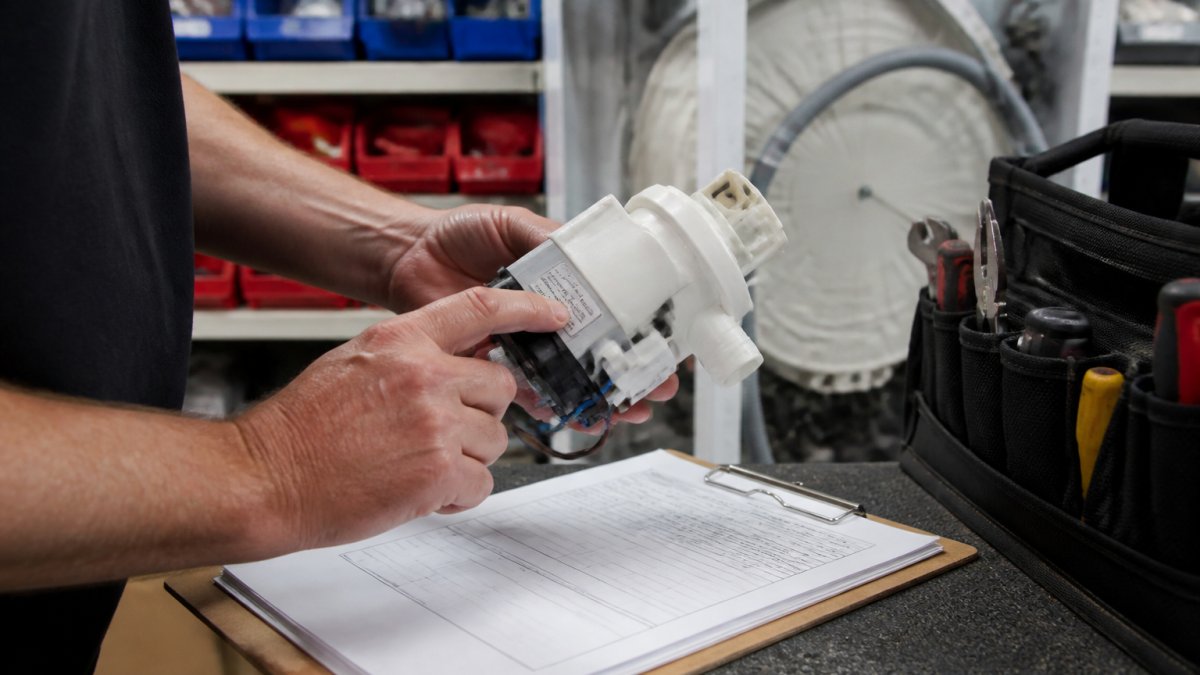
Document the purchase. Keep the receipt and packaging. If the part fails prematurely, you'll need proof of purchase to claim warranty coverage. Genuine parts come with documentation that proves authenticity and warranty eligibility.
Appliance Repair Parts Warranty: What You Need to Know
Warranty protection is where genuine and aftermarket parts diverge most sharply.
Genuine parts typically carry a manufacturer's warranty of 12 months. This covers defects in materials and workmanship. If the part fails during normal use within that period, the manufacturer will replace it at no cost. Some brands extend this to 24 months for certain components.
Aftermarket parts vary widely. Some carry a one-year warranty matching genuine parts. Many offer only 90 days. Others offer no warranty at all. Before purchasing an aftermarket part, ask the seller explicitly: "What's the warranty period, and what does it cover?" If they can't answer clearly, don't buy from them.
Warranty coverage has limits. Neither genuine nor aftermarket warranties typically cover labour costs. If a part fails and needs replacement, you'll pay for the technician's time to remove the old part and install the new one. The warranty only covers the part itself.
Installation warranty is separate. When a licensed technician installs a part, they often provide their own labour warranty, typically 30-90 days. This covers defects in installation, not defects in the part. If the technician installs a part incorrectly and it fails, their warranty applies.
Claiming warranty can be difficult with aftermarket parts. You'll need proof of purchase, the original receipt, and documentation of the failure. Some aftermarket manufacturers require you to return the failed part before issuing a replacement. This can take weeks.
Insurance and liability implications matter. If a repair technician uses a counterfeit or misrepresented part and it causes damage, say, a faulty compressor leaks refrigerant and damages the appliance further, your home insurance may not cover the secondary damage.
Total Cost of Ownership: Genuine Parts vs Aftermarket
The upfront price difference between genuine and aftermarket parts is obvious. But total cost of ownership tells a different story.
Consider a washing machine motor replacement. A genuine motor costs around $400-500 AUD. An aftermarket motor costs $200-300 AUD. On the surface, aftermarket saves $150-200.
But here's what happens over five years:
Genuine motor scenario: Install the genuine motor. It runs reliably for five years. No additional repairs needed for that component. Total cost: $400 (part) + $200 (labour) = $600.
Aftermarket motor scenario: Install the aftermarket motor. It works for three years, then starts making noise and loses efficiency. You need a replacement. Install another aftermarket motor (or switch to genuine). Total cost: $250 (first part) + $200 (labour) + $400 (second part) + $200 (labour) = $1,050.
The genuine option cost $600 over five years. The aftermarket option cost $1,050. Genuine was cheaper despite the higher upfront price.
This pattern repeats across major components. Compressors, heating elements, and pump motors all show the same trend. Aftermarket parts fail faster, requiring more frequent repairs and more labour costs.
Secondary damage adds another cost layer. If an aftermarket part fails catastrophically, a faulty compressor in a fridge, for example, it can damage other components. Refrigerant leaks can damage the condenser. Electrical failures can damage the control board. Suddenly you're not replacing one part; you're replacing three.
Appliance lifespan matters too. If your washing machine is eight years old and the motor fails, a genuine replacement extends the appliance's life another 5-7 years. An aftermarket replacement might only extend it another 2-3 years before the next major component fails.
For appliances under 10 years old, the extended lifespan of genuine spare parts often justifies the upfront cost. For older appliances nearing end-of-life, the decision becomes more complex. Sometimes replacement makes more sense than repeated repairs with aftermarket parts.
Questions to Ask Your Repair Technician
Before you approve a repair, ask your technician these questions. Their answers reveal whether they prioritise quality or just quick fixes.
"Will you use genuine spare parts?" A qualified technician will confirm this upfront. If they hedge or suggest aftermarket as a default, consider calling someone else.
"What's the warranty on parts and labour?" They should provide written documentation. Warranty terms should be clear: coverage period, what's covered, what's not, and how to claim if something fails.
"What's your diagnosis process?" A thorough technician will explain what they found wrong, why that component failed, and why they're recommending the specific repair.
"Do you source parts from authorised distributors?" Authorised distributors maintain quality control and stock genuine parts. Technicians who source from random suppliers may be buying counterfeit or reconditioned parts.
"What's your licensing and insurance status?" Ask to see their electrical license and proof of public liability insurance. Licensed technicians are accountable. Uninsured technicians leave you exposed if something goes wrong.
"Can you provide a written quote before starting work?" Professional technicians will give you a written estimate including parts cost, labour, and total. This protects both of you.
"Will you provide documentation of what was replaced?" After the repair, you should receive documentation listing the parts used, part numbers, and warranty information.
These questions separate professional technicians from cowboys. A technician who answers confidently and provides documentation is worth paying a bit more for.
Choosing between genuine spare parts and aftermarket options comes down to one question: what's your appliance worth to you?
Frequently Asked Questions
Are genuine spare parts worth the extra cost?
Yes, in most cases. Genuine spare parts are manufactured to the original equipment manufacturer's specifications, ensuring exact fitment and compatibility. While they cost more upfront, they typically last longer, reduce the risk of secondary damage to your appliance, and maintain your warranty coverage. The long-term value often outweighs the initial price difference, especially for critical components like compressors, motors, or control boards.
How can I check whether an appliance spare part is genuine?
Request the part number from your technician and verify it against the manufacturer's documentation or website. Genuine parts carry official manufacturer branding, hologram labels, or security codes. Ask your repair shop to provide proof of purchase from an authorised distributor. Licensed technicians should supply documentation showing the part's origin. Counterfeit and refurbished parts often lack proper labelling or come without verifiable sourcing.
Will using an aftermarket part affect my appliance warranty?
Potentially. Many manufacturers' warranties require the use of genuine parts for coverage to remain valid. Using non-genuine or aftermarket parts can void your warranty, leaving you responsible for future repairs. Always ask your technician whether a replacement part will affect your warranty status. Reputable repair shops will discuss this trade-off upfront and use genuine parts to protect your warranty unless you specifically request otherwise.
What's the difference between genuine, OEM, and aftermarket appliance parts?
Genuine parts are manufactured by or authorised by the original equipment manufacturer and meet their exact specifications. OEM parts are also original equipment manufacturer parts but sold through independent channels. Aftermarket parts are made by third-party manufacturers to fit your appliance model but are not produced by the original maker. Genuine and OEM parts offer consistent quality and fitment; aftermarket parts vary in quality and may have shorter lifespans or compatibility issues.