 comparison
Repairing Major Appliances on Budget: A 2026 Guide
Table of Contents
- When Repairing Major Appliances Makes Financial Sense
- Repair or Replace Appliances: The Decision Framework
- Appliance Repair Cost: What to Expect for Common Breakdowns
- Appliance Lifespan Guide: How Long Should Major Appliances Last
- Six Budget-Friendly Ways to Reduce Appliance Repair Costs
- Appliance Repair Quote Checklist: What to Ask Before You Commit
- Why Licensed Technicians and Genuine Parts Matter
- Frequently Asked Questions
Last Updated: October 18, 2026
When Repairing Major Appliances Makes Financial Sense
Repairing major appliances on budget is a practical decision that depends on specific factors: the appliance's age, the repair cost, and how long you expect it to last. Most households face this dilemma at least once, a washing machine stops spinning, a fridge stops cooling, or an oven won't heat.
At ISB Electrical, we help Gold Coast families and businesses decide whether to repair or replace. Many people assume an old appliance is beyond saving when a targeted repair could restore it for years.
The key is understanding when repair makes financial sense and when replacement is the smarter choice. A 10-year-old washing machine with a failed drum bearing might cost $400 to fix. A new one costs $1,200 or more.
This guide walks you through the decision framework, shows you what common appliance repairs actually cost, and gives you six practical strategies for keeping repair costs down. By the end, you'll know exactly how to approach repairing major appliances on budget without guessing or overspending.
Repair or Replace Appliances: The Decision Framework
The decision between repair and replacement isn't complicated once you know what to measure. Most people skip this step and rely on gut feeling. That's expensive.
The age-versus-cost calculation
Start with a simple rule: divide the repair cost by the appliance's age in years. If that number is less than 10% of what a new appliance costs, repair it. If it's more than 50%, replace it.
For example, a 12-year-old fridge needs a new compressor. The repair costs $600. A comparable new fridge costs $1,800. The calculation: $600 ÷ 12 = $50 per year of age. That's 33% of the replacement cost. It's in the middle zone.
The math shifts for newer appliances. A 3-year-old washing machine with a failed motor ($350 repair, $1,100 new machine) gives you $350 ÷ 3 = $117 per year. That's only 32% of replacement cost, so repair is almost always the right choice.
Energy efficiency and hidden savings
Older appliances often cost more to run than new ones. A fridge from 2010 might use 40% more electricity than a modern equivalent. Over five years, that difference could total $400-$600 in extra power bills. This hidden cost matters.
However, don't let it override the repair-versus-replace math unless you're already in the replacement zone. A $300 repair on a 12-year-old fridge might pay for itself in energy savings within 18 months if you were planning to replace it anyway.
The real value comes when an appliance is both old AND inefficient AND frequently repaired. That's when replacement makes sense even if a single repair would work.
Appliance Repair Cost: What to Expect for Common Breakdowns
Understanding typical repair costs helps you spot when a quote is fair and when it's inflated. Your actual cost depends on parts availability, your location, and whether you're in an urban or remote area.
Washing machines and dryers
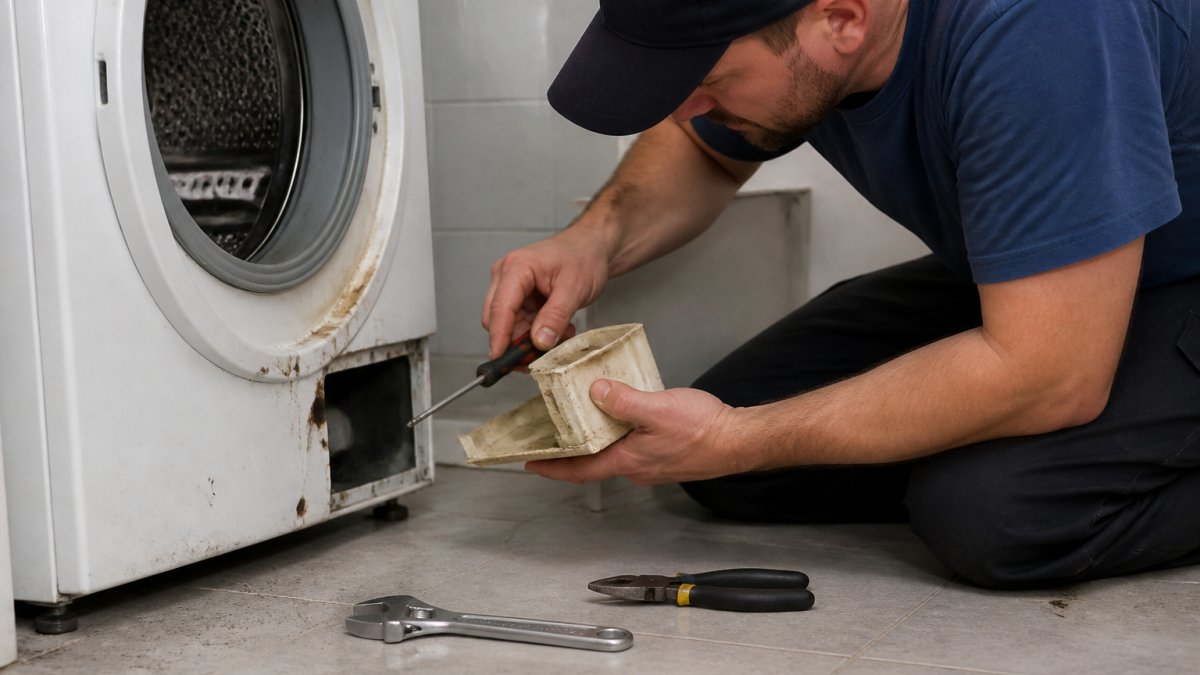
Washing machine repairs usually fall into predictable categories. A failed drum bearing (the part that holds the drum in place) can be repaired. A broken pump can be repaired. A faulty motor can be repaired.
Dryer repairs are often simpler. A thermal fuse (the safety component that stops the dryer if it overheats) can be replaced. A broken heating element can be repaired. A failed drum roller can be repaired.
The pattern: washing machine repairs tend to be more expensive because the component costs more and the labour is more involved. Dryers are generally cheaper to fix. Both appliances are worth repairing if they're under 10 years old and this is their first major fault.
Fridges, ovens, and dishwashers
Fridge repairs vary widely. A new compressor (the heart of the cooling system) can be installed. A failed condenser fan motor can be repaired. A broken thermostat can be repaired.
Oven repairs depend on what failed. A broken heating element costs $150-$300. A faulty thermostat runs $100-$250. A damaged door seal or latch costs $100-$200. Ovens are generally cheaper to repair than fridges, and repairs often restore them to full function for years.
Dishwashers sit in the middle. A failed pump can be repaired. A broken spray arm can be repaired. A faulty control board can be repaired.
Rangehoods and cooktops
Rangehood repairs are typically the least expensive. A failed motor can be repaired. A broken light or switch can be repaired.
Cooktop repairs depend on the type. Electric cooktops with a failed element can be fixed. Gas cooktops with ignition problems can be repaired. A cracked glass cooktop usually means replacement, as repairs are rarely cost-effective.
Appliance Lifespan Guide: How Long Should Major Appliances Last
Knowing the expected lifespan of your appliance helps you decide whether a repair extends its useful life or just delays the inevitable.
Washing machines typically last 8-12 years with regular use and maintenance. Dryers often last 12-15 years because they're simpler mechanically. Fridges generally run 10-15 years, sometimes longer. Ovens often reach 15-20 years if they're not heavily used.
These are averages. A well-maintained appliance might exceed these ranges. A neglected one might fail earlier. The key question: where is your appliance in its expected lifespan?
Also consider: how often has it been repaired? An appliance that's needed three repairs in two years is showing signs of declining reliability.
Six Budget-Friendly Ways to Reduce Appliance Repair Costs
Once you've decided that repairing major appliances on budget is the right choice, the next step is keeping that cost as low as possible. These six strategies work consistently.
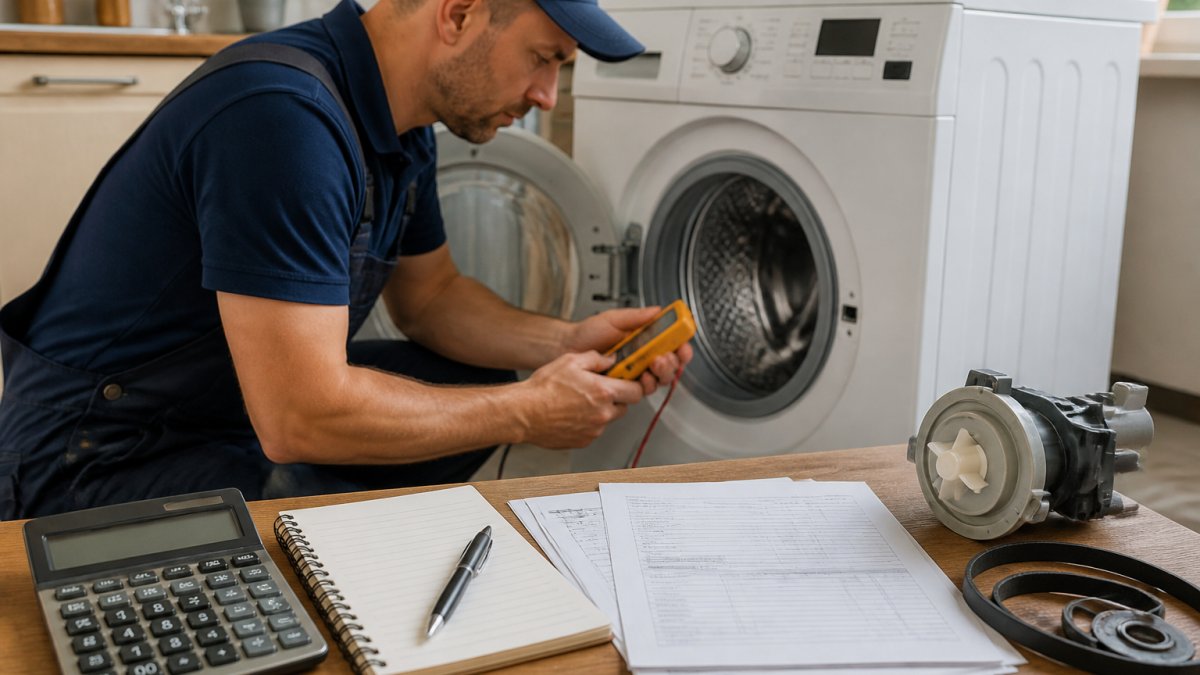
1. Get multiple quotes upfront
Never accept the first quote. Contact at least two or three licensed technicians and ask for written estimates. Most will provide a diagnostic visit. Getting multiple quotes takes an extra day or two.
When you compare quotes, check what's included. Some include the diagnostic fee in the final bill if you proceed. Others charge a separate diagnostic fee. Some quotes might be lower because they use aftermarket parts instead of genuine ones. Make sure you're comparing identical scopes of work.
2. Request genuine spare parts
Aftermarket parts cost less upfront but often fail sooner. A genuine part might cost $150 while an aftermarket equivalent costs $80. But if the aftermarket part fails within a year and you need another repair, you've spent $230 instead of $150.
Always ask whether the technician will use genuine parts. If they suggest aftermarket alternatives, ask about the warranty on those parts. Genuine parts typically come with a warranty that covers defects. Aftermarket parts often don't. At ISB Electrical, we use genuine spare parts on every repair and back them with a warranty, which protects you if something goes wrong.
3. Ask about warranty coverage
Before you authorize a repair, ask what warranty applies. Most licensed technicians offer a warranty on parts (usually 12 months) and labour (usually 30-90 days). Get this in writing.
A warranty means if the same part fails again within the warranty period, the technician will fix it at no charge. This protects you from paying twice for the same problem. If a technician won't offer a warranty, that's a red flag.
4. Schedule preventative maintenance
The cheapest repair is the one you never need. Annual maintenance on major appliances can prevent many common failures.
For washing machines, this means cleaning the filter and checking hoses. For fridges, it means cleaning the condenser coils. For dishwashers, it means checking the spray arms and filter. For ovens, it means checking the seals and heating elements. For cooktops, it means checking burners or elements.
Preventative maintenance catches small problems before they become expensive ones. A hose that's starting to crack can be replaced during maintenance. If it fails during use, it can flood your home and cause thousands in water damage.
5. Negotiate labour costs for bundled repairs
If your appliance has multiple problems, ask the technician if they'll discount the labour if you fix everything in one visit. Technicians often charge a call-out fee plus hourly labour. If you're already paying the call-out fee, fixing a second problem during the same visit often costs much less than scheduling a separate repair.
This strategy works especially well with rangehoods and cooktops, where multiple components might need attention. One visit to replace a broken element and repair the ignition costs less than two separate visits.
6. Understand call-out fees and diagnostics
Most technicians charge a call-out fee just to come and diagnose the problem. Some credit this fee against the repair cost if you proceed. Others don't.
Ask upfront whether the diagnostic fee is credited. Also ask whether they charge for the diagnostic visit if you decide not to proceed with the repair. Knowing this beforehand prevents surprises. A technician who credits the diagnostic fee and provides a warranty is generally offering better value than one who doesn't, even if the repair quote is slightly higher.
Appliance Repair Quote Checklist: What to Ask Before You Commit
Before you authorize any repair, use this checklist to ensure you're making an informed decision.
Parts and labour breakdown: Does the quote separate parts cost from labour cost?
Parts warranty: What warranty applies to the parts being replaced?
Labour warranty: How long is the labour covered?
Call-out fee: Is there a call-out or diagnostic fee?
Parts sourcing: Will they use genuine parts or aftermarket parts? What's the difference in cost?
Timeline: How long will the repair take?
Payment terms: Do they require payment upfront or after the work is complete?
Service area: Do they service your location, or is there a travel fee?
Getting answers to these questions before you commit prevents misunderstandings and protects you financially.
Why Licensed Technicians and Genuine Parts Matter
Choosing a licensed technician with genuine parts costs more upfront than calling someone who offers cheaper rates.
A licensed technician carries insurance and is accountable to regulatory bodies. If something goes wrong, you have recourse. An unlicensed operator offers no protection.
Genuine parts are engineered to match your appliance's specifications. They're tested to the same standards as the original components.
At ISB Electrical, our technicians are licensed and fully insured. We use genuine spare parts on every repair and back them with a warranty.
Repairing major appliances on budget requires making smart decisions about when to repair and when to replace, then executing those repairs with licensed technicians who use genuine parts.
Frequently Asked Questions
Is it cheaper to repair or replace a major appliance?
The answer depends on the appliance's age and the repair cost. A common guideline: if the repair cost is a significant percentage of a new appliance's price, replacement often makes more financial sense. However, newer appliances with a single fault are usually worth repairing. Factor in energy efficiency too, older appliances consume significantly more power, which compounds costs over time. Always request a repair quote and compare it against the replacement price before deciding.
How can I reduce the cost of an appliance repair?
Obtain multiple quotes from licensed technicians to compare labour and parts costs. Request genuine spare parts rather than generic alternatives. Ask whether the repair includes a warranty, this protects your investment. Bundle multiple repairs into one service call to spread labour costs. Understand the call-out fee and diagnostic charge upfront. Preventative maintenance, such as regular cleaning of filters and seals, reduces emergency repairs.
Should I get a repair quote before replacing an appliance?
Yes, always obtain a written quote before committing to replacement. A quote clarifies the exact fault, parts required, labour costs, and timeline. This information lets you make an informed decision about repair versus replacement. Many technicians offer free or low-cost diagnostics. Once you have the quote, compare it against the cost of a new appliance of similar capacity and energy rating. A quote also protects you from unexpected charges later.
How old should an appliance be before replacing it?
Most major appliances have a typical lifespan of 8-15 years, depending on the type and maintenance history. Washing machines and dryers often last 8-12 years; fridges and freezers 10-15 years; ovens and dishwashers 9-12 years. An appliance nearing the end of its lifespan with a major fault is often better replaced than repaired. However, if the appliance is well-maintained and the repair is minor, it may be worth fixing. Consider energy efficiency gains and warranty coverage when evaluating replacement options.